Finest Practices for Upkeep and Applications in the Aluminum Factory Industry: An In-depth Summary
Preserving equipment in the light weight aluminum factory market is essential for operational success. Routine inspections and predictive upkeep can considerably reduce downtime and boost safety and security. Advanced technologies, such as IoT and data analytics, play a critical duty in this procedure. Comprehending the complete scope of finest practices calls for a closer exam of details techniques and their influences on efficiency. What are the essential parts that add to a trusted upkeep framework?
Significance of Regular Maintenance in Light Weight Aluminum Foundries
Regular maintenance plays a crucial function in the reliable procedure of aluminum shops. By methodically servicing and evaluating devices, factories guarantee peak efficiency and durability of machinery. Routine maintenance tasks, such as lubrication, part, and cleaning replacement, help stop unforeseen failures that can result in pricey downtime.
Moreover, regular checks improve office security by determining prospective risks prior to they intensify into significant problems. Equipment that is well-maintained operates more effectively, leading to improved item high quality and minimized waste. In addition, adherence to an organized upkeep timetable can support conformity with industry regulations, therefore cultivating an online reputation for reliability and top quality within the marketplace.
Implementing Anticipating Maintenance Strategies
Anticipating upkeep techniques take the principles of routine upkeep a step even more by leveraging information analytics and progressed tracking modern technologies. In light weight aluminum factories, these methods enable operators to anticipate equipment failings prior to they occur, thereby lowering unexpected downtimes and maximizing functional performance. By using sensors and IoT devices, real-time information can be gathered on equipment performance, permitting for the identification of prospective problems through predictive analytics.
Enhancing Melting and Pouring Processes
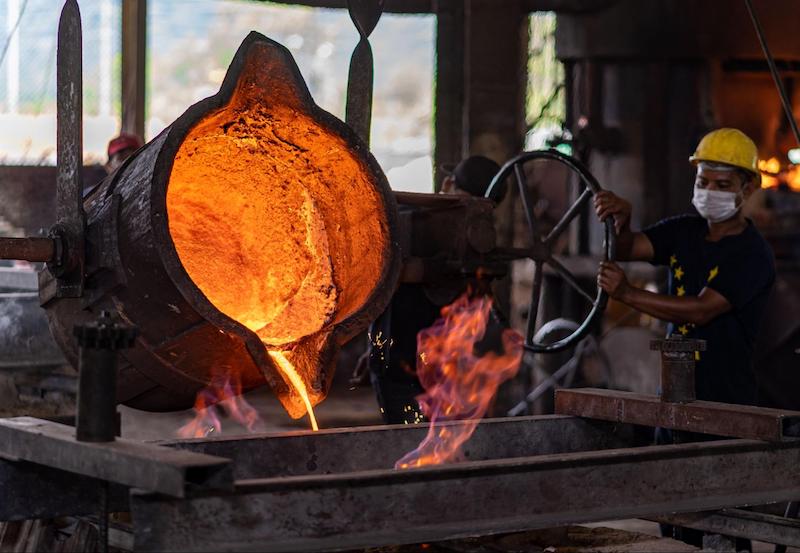
Efficient melting and putting processes are essential for optimizing efficiency and ensuring the quality of aluminum spreadings. To improve these processes, factories need to concentrate on specific temperature control during melting, as this straight affects the metallurgical homes of the alloy. Utilizing sophisticated melting technologies, such as induction and resistance melting, can enhance energy efficiency and reduce cycle times.
Additionally, executing automated putting systems decreases human mistake and keeps uniformity in the pouring process. Proper mold prep work, including adequate preheating, is essential to stop thermal shock and boost mold and mildew long life.

Enhancing Safety And Security Protocols in Factory Workflow
Focusing on safety in light weight aluminum shop procedures is important for securing employees and guaranteeing an efficient atmosphere. Reliable safety and security procedures include regular training sessions that stress go to this web-site the importance of individual safety equipment (PPE), such as handwear covers, safety glasses, and helmets. Furthermore, the establishment of clear emergency treatments is important in managing potential accidents.
Normal evaluations of devices and equipment aid identify threats prior to they escalate right into significant issues. Applying a robust reporting system urges employees to communicate safety and security concerns without worry of repercussion. Promoting a society of safety and security warranties that every employee understands their duty in preserving a safe workplace.
Furthermore, ensuring appropriate air flow and tracking air quality can minimize exposure to unsafe useful link fumes and dust. By reinforcing these methods, aluminum shops can considerably decrease the danger of mishaps and create an environment where staff members really feel valued and safe, inevitably boosting general operational effectiveness.
Leveraging Technology for Improved Efficiency
Making use of innovative technology has become progressively necessary for light weight aluminum foundries intending to improve operational efficiency. Automation and robotics play an important function in improving manufacturing processes, reducing labor prices, and decreasing human error. Applying real-time tracking systems enables the continual analysis of equipment efficiency, making it possible for positive maintenance and minimizing downtime.
In addition, the integration of information analytics supplies valuable understandings into operational workflows, assisting in much better decision-making and resource allocation. Anticipating analytics can recognize prospective failures before they occur, more maximizing maintenance routines.
In addition, taking on advanced melting and casting modern technologies improves power efficiency and material yield, which are basic for sustainability in the industry. By accepting these technical innovations, aluminum shops can not only improve efficiency yet likewise preserve an affordable side in an increasingly demanding market (aluminum foundry). Inevitably, leveraging innovation is critical in driving technology and enhancing total operational effectiveness within the field
Regularly Asked Inquiries
What Are Common Signs of Equipment Use in Light Weight Aluminum Foundries?
Common indications of devices wear in aluminum foundries include uncommon noises, lowered performance, enhanced vibration, overheating components, leakages, and noticeable corrosion. These indicators typically signify the demand for upkeep or prospective substitute to avoid costly downtime.
Just How Can I Train Team for Effective Maintenance Practices?
To educate team for efficient upkeep practices, one can apply hands-on workshops, develop extensive manuals, encourage mentorship programs, and perform normal evaluations to assess abilities and expertise, making certain all employees understand maintenance methods thoroughly.
What Are the Environmental Regulations for Aluminum Foundries?
Aluminum foundries undergo numerous ecological laws, including discharges control, waste administration, and resource conservation. Conformity guarantees minimal environmental effect, promoting sustainability while sticking to neighborhood, national, and global environmental criteria and laws.
How Do Foundries Manage Waste and Recycling of Light weight aluminum?
Shops manage waste and recycling by applying systems for accumulating scrap aluminum, using sophisticated separation modern technologies, and collaborating with recycling facilities to assure efficient recuperation processes, consequently lessening environmental impact and advertising sustainability within the market.
What Are the Costs Connected With Implementing Advanced Technologies?
Applying sophisticated innovations in shops sustains substantial special info expenses, including preliminary financial investment, training, and upkeep expenses. The long-lasting benefits, such as increased effectiveness and lowered waste, commonly justify these expenses, leading to improved earnings. (aluminum casting company)